
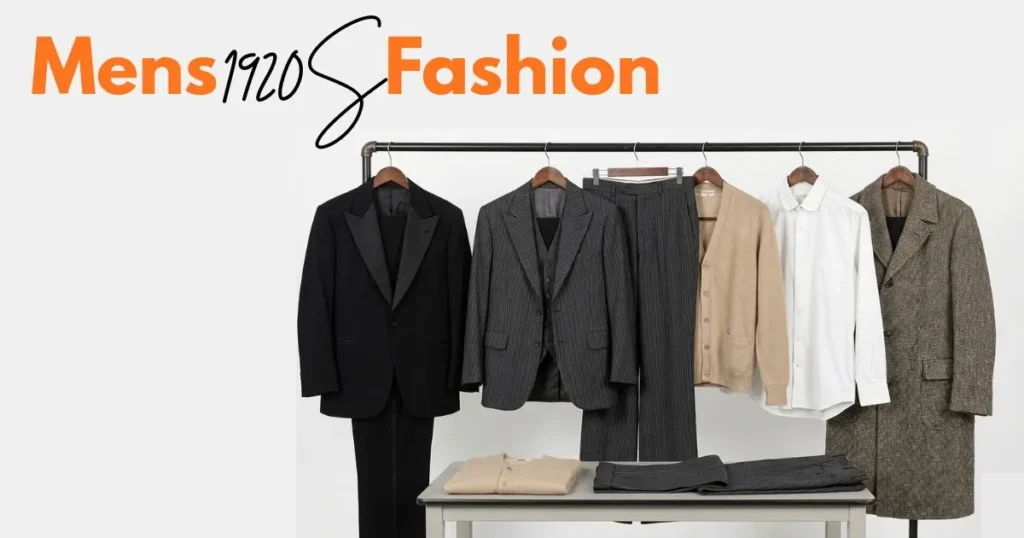
The 1920s were very revolutionary in most aspects and fashion-inclusive. Fashion in the 1920s by men no longer followed the strict and formal design of the old centuries, and thus men were able to express themselves in their clothes in a different way than ever before. The decade of change, freedom, and cultural development came to be referred to as the Roaring Twenties and this is the phase that shaped the fashion preferences of men to date. This paper will discuss the most prominent trends, iconic styles, and cultural influence of Mens 1920s Fashion.
The Evolution of Mens 1920s Fashion
The 1920s fashion for men was a clear departure in terms of more relaxed and informal attire from the previous Victorian era. The suits were made trimmer and more comfortable, and were made in both style and purpose. The emergence of casual cuts and more comfortable materials was a result of the change in societal trends towards a less formal, but more sophisticated style.
The trend was rather conservative at the beginning of the decade; men were wearing wool suits, formal shirts, and ties. However, these transformations began to loosen halfway through the 1920s, and fashion was influenced by the social processes and the birth of new entertainment tools, such as jazz music and cinema. The suits are now crafted in easy and comfortable ways which were within the changing work and leisure dynamics.
Key Menswear Items of the 1920s
The 1920s fashion among men led to the introduction of several important clothes that became iconic and legendary. The male dashing wardrobe was held together by the three-part outfit comprising trousers, a vest, and a jacket. This style made men look nice and loose, either at a party or on an informal date.
The other highlight of the menswear product was the tuxedo. The Hollywood stars and the affluent upper-class brought the tuxedo and made it the official style of evening wear. Tie it with a bow, it was very fancy and fit into the category of having to be one of the biggest elements of men’s style in the 20s.
The Influence of Hollywood on Mens 1920s Fashion
The impact of Hollywood development on men’s fashion was great in the 1920s. Stars of films such as Rudolph Valentino and Douglas Fairbanks brought about a revolution among men and the dress code they would have in different parts of the world. These celebrities presented a graceful and sophisticated appearance that most men envisioned, and thus their attires were the center of the trend during that era.
The Hollywood image of glamour was not merely the one that was on the screen, but it also held into the lives of men. As the cinema spread out, the men started to identify with a new social elite and they desired that their clothes would match those of the new elite. This led to the customization and sophistication of clothes, particularly among the high classes.
The Rise of Casual Fashion
Even though the dressing code dominated a fair share of the men’s wear attitude in the 1920s, it witnessed a major transition to casual and relaxed outfits. The shift in the perception of work and play found its reflection in the appearance of the sportswear, i.e., golf and tennis apparel. Men also began to wear fashionable clothes, in addition to being comfortable and easy to wear.
This casual wear trend was also manifested in the popularization of the button-up shirt and the cardigan. Previously, they were viewed as too casual, but they were popularized in menswear and they are one of the trends of the decade that were towards more casual and multi-purpose clothing.
The Iconic Gangster Look
One of the most well-known styles of the 1920s is the gangster look, which gained greater popularity due to such a figure as Al Capone. It involved pinstriped suits, slicked back hair, and slick fedoras, which represented power and rebellion. The style of the gangster was a particular toughness and power and it gained instant popularity in the streets, as well as the world of cinema.
The gangster appearance was not only in the clothing, but it was also in the attitude. It was an expression of the feeling of danger, the luxury, and confidence that most men liked. Slick tailored suits and accessories such as pocket watches and cufflinks came to be associated with living excessively and criminal defiance.
Accessories That Defined Mens 1920s Fashion
Accessories in Mens 1920s Fashion were very significant in determining the style one wore. The most popular accessory during the decade was the fedora hat. Being commonly used by the upper and working-class men, the fedora gave a touch of fashion and elegance to any dress. It turned into a manly attribute and a major characteristic of formal and informal clothes.
Other Roaring 20s men’s fashion accessories, such as pocket watches, suspenders, silk ties, and leather gloves, further defined the era’s sharp, confident gentlemanly look. Men would include such little but meaningful details in their wardrobes to improve their appearance. The other necessary garment that was put to use was the pocket square, which was considered a flair to a suit and was usually made in a contrasting color or pattern to create a bold look.
The Role of Music and Dance in Men’s Fashion
The 1920s music and dance are what were instrumental in influencing men’s fashion. The emergence of jazz music culture came along with the feeling of freedom and self-expression. Men who started to adopt the jazz rhythmic and lively style of music needed an attire that would suit this new sense of freedom. Big collars of shirts and loose trousers gained popularity, which meant that the dancers were more mobile during dances such as the Charleston.
Menswear was also influenced by the popularity of jazz musicians since most jazz artists wore a style with a relaxed appearance. The integration of music and fashion produced a very specific style of the 1920s, which was energetic, vibrant, and young, and which appealed to the generation that was determined to adopt new cultural trends.
Mens 1920s Fashion and the Prohibition Era
The period of prohibition in the years 1920-1933 influenced men’s fashion a lot. Most of the men adopted the bootlegging appearance of fancy suits, overcoats, and hats during this period. This fashion was to bring out an image of being sophisticated and also being rebellious against the stringent laws of the day.
There was also the emergence of the so-called flapper style on women during the prohibition era, but in the case of men, they were still keen on the sharp suits and accessories. The gangster culture and the desire to look sophisticated as they got involved in illegal actions resulted in the rise of tailored suits as well as fine materials symbolizing not only style but also rebellion.
The Influence of The Great Gatsby
The Great Gatsby novel by F. Scott Fitzgerald has left a lasting impression on Mens 1920s Fashion. The way the novel captures Gatsby and the rest of the characters is consonant with the way fashion in society was at the time. The groomed appearance of the men in the novel, the cool suits, the silk ties, and shiny pairs of shoes, is further into the current-day menswear.
The original fashionable style is already established as an element in the fashion industry today, even in the Great Gatsby version of the 1920s. What men still admire about Gatsby is his lavish and fancy manner of dressing, and his tuxedos and formal clothes are being worn back to red carpets.
Men’s 1920s Fashion in the Modern Day
The fashion of the 1920s, in spite of the fact that it was founded on the culture and social changes of that era, makes its influence on modern day world. Tuxedos, accessories, and sharp suits of the 1920s have had a strong impact on contemporary fashion. This age is still being referred to in the designs of the designers, and their collections are still full of wide lapels, pinstripes, and fedoras.
Further, the overall focus on custom-fitting apparel is also a characteristic feature of men’s fashion. The 1920s taught that style can be practical and stylistic and this is the balance that modern-day fashion still aims at achieving.
FAQ’s
What were the distinguishing aspects of Mens 1920s Fashion?
The main characteristics were personalized suits, tuxedos, broad trousers, fedoras, and accessories, such as pocket watches and cufflinks. It focused on luxury and fashion.
What role did Hollywood play in shaping the fashion of men in the 1920s?
Cinema stars such as Rudolph Valentino and Douglas Fairbanks were the new style leaders, making men go to copy their cool and refined appearance in their daily lives.
What was the gangster’s appearance in the 1920s men’s fashion?
The gangster appearance was a pinstriped suit, slicked back hair, and a fedora, which is associated with strength, defiance, and class, which was frequently promoted by individuals such as Al Capone.
What was the role of music in the fashion of men in the 1920s?
The Charleston dance and Jazz music changed the style of clothes worn by men by promoting more free-flowing clothing that was comfortable and this allowed men to express themselves more.
What is the mens 1920s fashion connotation today?
Smooth, fitted suits and fine fabrics of the 20s today are still a source of inspiration in menswear and are mentioned in collections of numerous designers.
Conclusion:
The fashion of 1920 amongst men was a revolutionary era that transformed the style of approach of men. The effect of the decade in fashion, such as the standard tuxedo and the crisp gangster suits, made an indelible mark on the manner in which fashion is approached nowadays. It was not merely a matter of clothes, but a matter of self-expression, rebellion, and freedom of dressing graciously and with personality in the 1920s. This information on the source of mens 1920s fashion makes us understand how the styles have still been a significant part in the way of dressing among men to date.