
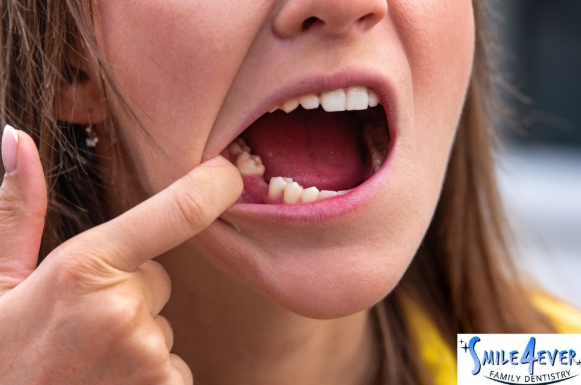
Getting a tooth removed can feel stressful. After the numbness wears off many people look in the mirror and worry about the gums. They see puffiness. They feel soreness. Then the same question comes up fast. How long will this last?
The good news is that some swelling is normal after an extraction. Your body is healing. The area has been treated and the gums need time to settle down. Many dental sources say swelling often starts during the first day or two and may be worst around day two or three before it slowly gets better. It often improves within about five to seven days though full soft tissue healing can take one to two weeks or longer depending on the case.
If you are dealing with swollen gums after tooth extraction in Houston this guide will help you understand what is normal, what can make it last longer and when it is time to call a dentist.
Is Gum Swelling Normal After a Tooth Extraction?
Yes. In most cases it is normal.
After a tooth is removed your body sends blood and healing cells to the area. That natural process can make the gums look puffy and feel tender. It can also cause mild pain and slight bleeding at first. Swelling around the gums or even along the jaw is common after dental extractions including wisdom teeth removal.
So if you are asking is gum swelling normal after tooth extraction the answer is usually yes. Mild swelling by itself is not a bad sign. It often means the body is doing its job.
What normal swelling feels like
Normal swelling is usually mild to moderate. The gums may feel sore when you eat or brush nearby. The area may look a little raised. You may also feel stiffness in the jaw for a short time. This is more common after a harder extraction or wisdom tooth removal.
How Long Does Swelling Usually Last?
For most people gum swelling after tooth extraction is worst during the first two to three days. After that it should slowly start going down. Some sources say swelling can last about five to seven days before it clearly improves. Other guidance notes that bruising or mild swelling can sometimes take up to one or two weeks to fully settle.
That means your gums do not need to look perfect right away. Healing takes time.
A simple healing timeline
First day
The area feels sore and may bleed a little. Some swelling begins.
Second and third day
This is often when swelling peaks. Many people feel this is the hardest part.
After that
The gums should slowly look and feel better. Mild tenderness can stay a bit longer while the tissue keeps healing.
If you live in Houston and the swelling is clearly improving each day that is usually a reassuring sign.
What Can Make Swelling Last Longer?
Not every extraction is the same. Some cases are simple. Others are more difficult. A few things can make swelling hang around longer.
Harder tooth removal
A surgical extraction or wisdom tooth removal can lead to more swelling than a simple extraction.
Infection
If bacteria get into the area the gums may stay swollen or get more painful instead of better. Swelling that worsens after two or three days can be a warning sign.
Smoking and poor aftercare
Smoking and not following care instructions can slow healing and raise the risk of problems like dry socket.
Touching the area too much
Poking the spot with your tongue fingers or tools can disturb healing and irritate the gums.
Signs Your Healing Looks Normal
A lot of people panic even when their healing is going just fine. Here are some signs that usually point to normal recovery.
Mild swelling
A little puffiness around the gums is expected for several days.
Slight pain
Some pain is common especially once the numbness is gone.
Tender gums
The gums may feel sore when you touch the nearby cheek or chew soft food.
Slow daily improvement
This is one of the best signs. Even if you still look swollen the area should gradually feel better not worse.
Signs Something May Be Wrong
Sometimes swelling is not just normal healing. Sometimes it points to a problem that needs help.
Swelling gets worse after a few days
Mayo Clinic notes that swelling that worsens after two or three days should be checked.
Severe pain or throbbing pain
Dry socket often causes strong pain that starts one to three days after extraction.
Bad taste bad smell or pus
These can point to infection.
Fever or trouble swallowing
These are not normal signs and should not be ignored.
Trouble opening your mouth
Some tightness can happen after wisdom teeth removal but severe or worsening difficulty needs attention.
If you notice any of these signs in Houston it is smart to call a dental office instead of waiting it out.
How to Reduce Swelling After Extraction
There are simple things that can help the gums calm down faster.
Use a cold pack
During the first day place a cold pack on the outside of your face for short periods. Cleveland Clinic and NHS sources both recommend cold packs to help with swelling.
Rest and keep your head up
Take it easy for the first few days. Keeping your head raised can help reduce swelling.
Eat soft foods
Choose foods that do not irritate the area. Avoid hard crunchy foods until the gums feel better.
Take medicine only as advised
Use pain relief exactly as your dentist or surgeon recommends. NHS aftercare also points out that the mouth may become sore once the local anesthetic wears off and pain relief may help.
What You Should Avoid
A few habits can make healing slower.
Do not smoke
Smoking can delay healing and increase the risk of dry socket.
Do not use a straw
Strong sucking can disturb the clot in the socket.
Do not spit hard
This can also upset the healing area.
Do not keep touching the site
Let the gums rest. The more the area gets disturbed the more irritated it can become.
When Should You Call a Dentist?
Call a dentist if the swelling is getting worse instead of better. Call if you have fever, severe pain or a bad taste that will not go away or trouble swallowing. Those are warning signs that the area may need treatment.
If you are looking for family dentistry houston tx support after an extraction do not wait too long when symptoms feel off. It is always better to get peace of mind early.
How Long Does Full Gum Healing Take?
Swelling may improve within a week for many people. But full gum healing takes longer. Cleveland Clinic says soft tissue healing can take one to two weeks and sometimes there can still be mild leftover swelling after that depending on the procedure.
So try not to judge healing too fast. The big question is not whether the gums are perfect in a few days. The real question is whether they are moving in the right direction.
For many patients in Houston the worst part passes early. Then each day gets a little easier.
Final Thoughts
After a tooth extraction swollen gums can be normal. In most cases the swelling is worst during the first two or three days. Then it starts to settle down. Many people feel much better within five to seven days though full gum healing can take longer.
If you are dealing with swollen gums after tooth extraction or wondering whether gum swelling after tooth extraction is lasting too long pay attention to the pattern. Normal healing gets better little by little. Problem healing gets worse or brings new symptoms.
And if you need help in Houston a trusted family dentistry houston tx office can guide you and make sure everything is healing the way it should.
FAQs
Is swelling worst on the second or third day?
Yes. That is common. Many dental aftercare guides say swelling often peaks around day two or day three before it starts going down. A slow drop after that is usually a normal healing sign.
How can I reduce gum swelling after extraction?
Use a cold pack on the face rest well keep your head raised and follow your dentist’s care instructions. Soft foods and gentle care also help the gums calm down while the area heals.
When should swelling after extraction worry me?
You should call a dentist if swelling gets worse after a few days or comes with fever pus a bad taste severe pain or trouble swallowing. Those signs can point to dry socket or infection.